Drones in Other Industries
Introduction
Business insider (2021) has stated that the population of the world will reach 9.7Bn by 2050. This will cause a significant strain on the agricultural industry with consumption set to rise by 69% between 2010 and 2050. The use of drones in agriculture will allow for the improvement is areas such as livestock management, irrigation management as well as fertilisation. Fertilisation deployed with drones is estimated to be between 40-60 times faster.
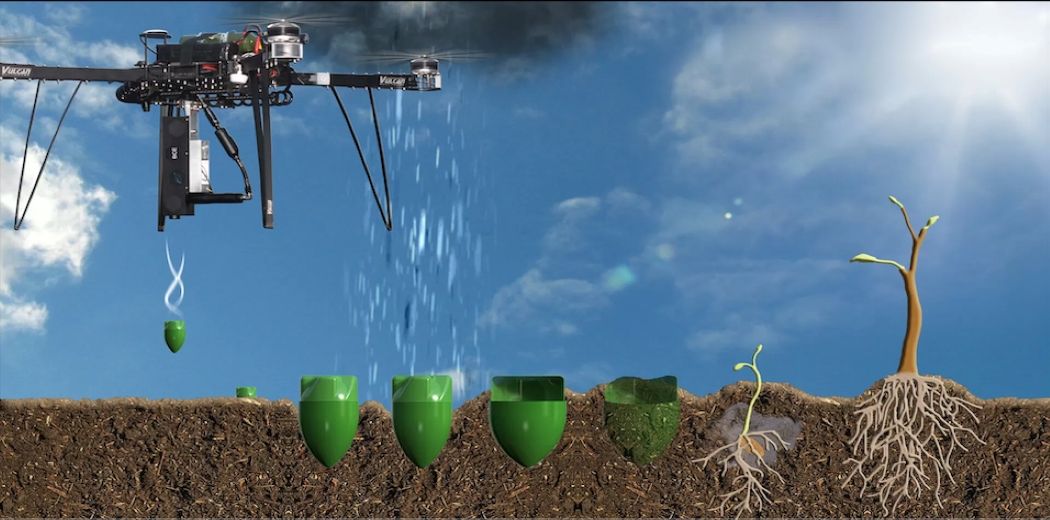
Planting: although not fully developed, there is the possibility of using drones to eject seeds and plant nutrients into soil ready for growth. This has the ability to reduce planting costs through the increase of planting speed, as well as replacing the use of more expensive equipment and machinery that is currently used for planting. This may not only reduce the cost of running, but also maintainging the machinery required as drones do not require the same amount or cost for maintainance.
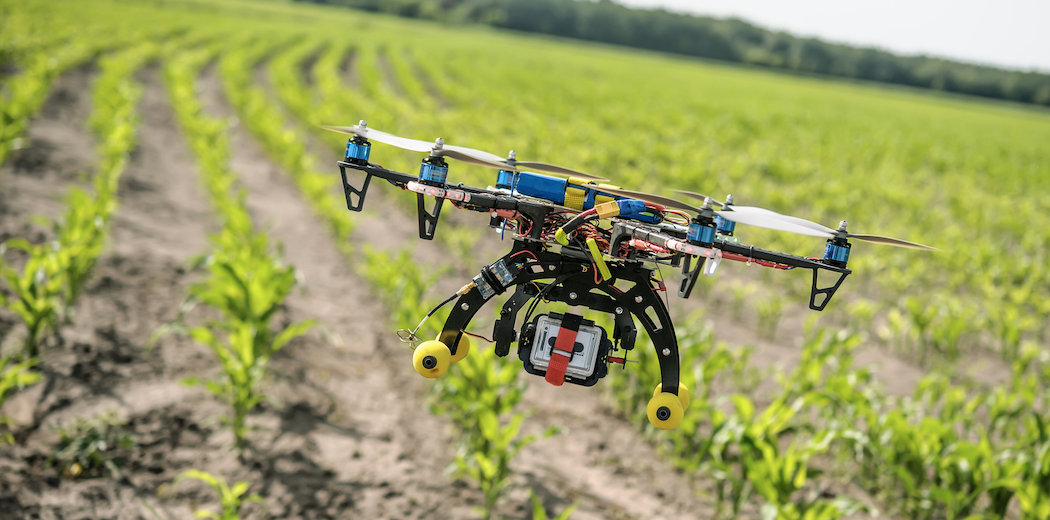
Monitoring: Current drawbacks are the monitoring of large areas of crops. With a rise in weather unpredictability drones can produce time series animations to better understand crop development over the entire area, allowing for farmers to better identify inefficiencies and areas of issues, improving crop management. They can find areas where further care is required allowing to not only imrpove maintainance but increase crop yield, allowing for farmers to make a better profit margin for each crop planted grown and collected.
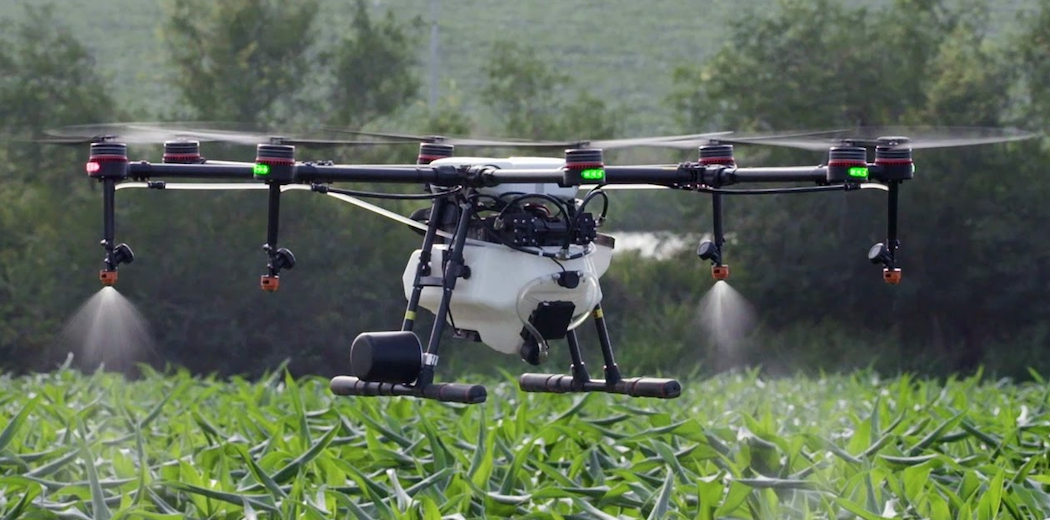
Spraying: Drones can easily adjust to terrain changes. With their ability to regulate a number of variables such as height from the ground they will be able to spray any liquid required more evenly while simultaneously being faster (40-60 times faster) than the conventional methods currently used. This will notonly reduce the time taken to spray the crops, but a larger number of crops can be covered allowing for reduced costs and possibly improved yield for farmers utilising drones.
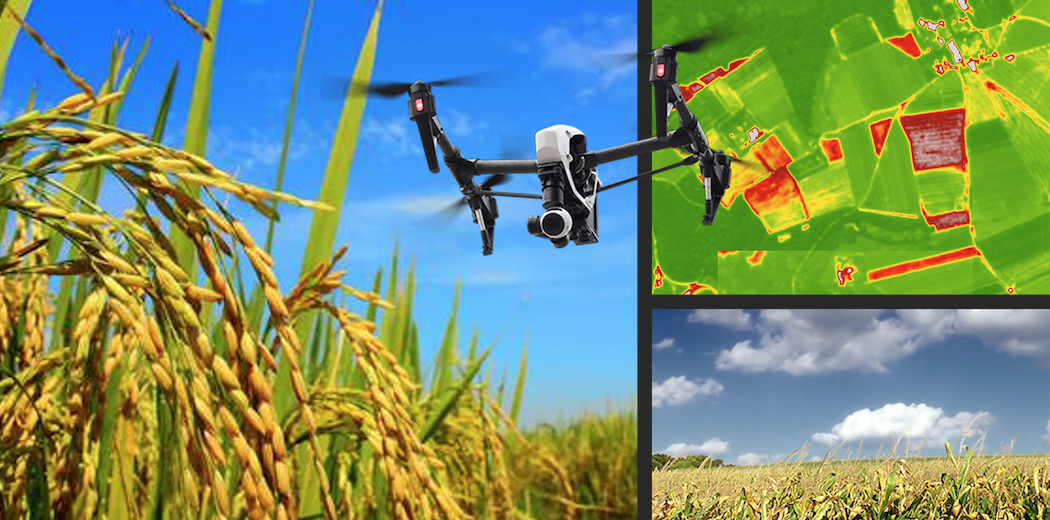
Irrigation: Drones have the possibility of using thermal imaging sensors, which are able to identify dry areas in crop fields. This allows for the modification and improvement of the farming and irrigation systems to allow a more efficient irrigation to be carried out over the largerst area possible. The use of this system, similarly to the use of other technologies allows the optimisation of crop growth, allowing for the invcrease in yield for the crops planted.
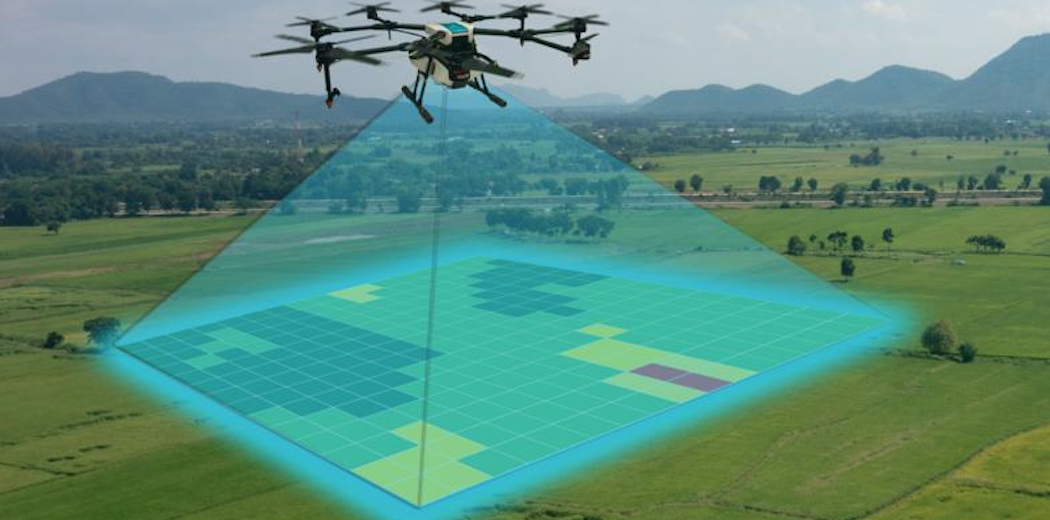
Health Assessment: Drones will have the ability to determine plant health with the use of infra-red imaging. This will help to ensure that the crop remains healthy and if any crop develops a disease or becomes compromised, the issue can be quickly identified and dealt with quickly and efficiently. This is allows to keep track of more crops over larger areas allowing to increase the yield produced during the growing season.
Introduction
Business insider (2021) states that the use of drones in the Construction industry is set to become a $28.3Bn global market according to PwC. A simple application of drones in the industry would be a site inspection, which could take hours or days, being completed in less than 1 hour, which not only reduces the time taken to complete the survey, but identification of issues can be found earlier, possibly preventing any work related injuries or deaths. Drones will also be able to be used in conjunction with 3D imaging hardware, improving the speed at which more accurate models can be produced over a certain area
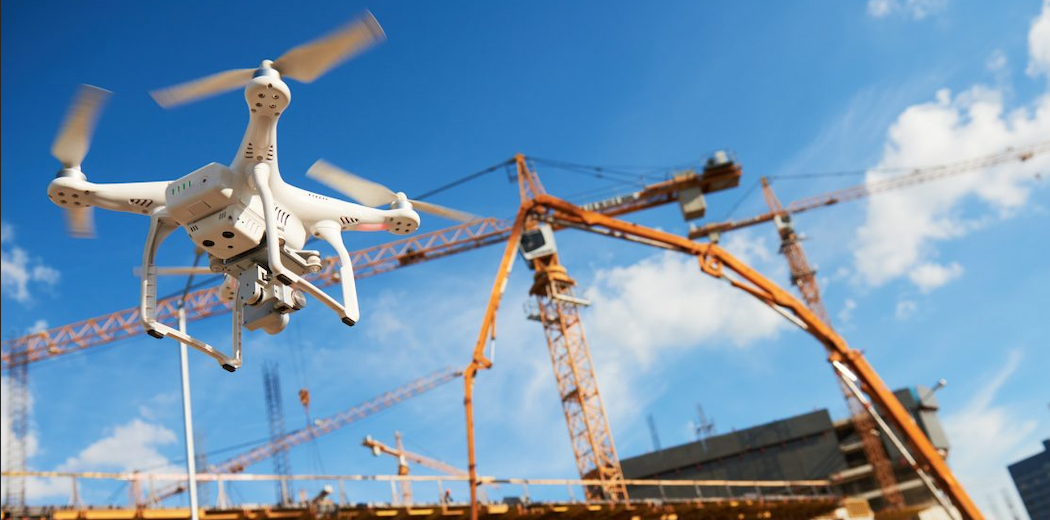
Inspection of construction sites: Regular inspection of construction sites is usually a requirement to ensure the safety of workers throughout the site. Not only can it take a substantial amount of time, but it may require access to highly dangerous areas which would jeopardize the safety of the workforce. Drones will be able to inspect the construction site in a safer and faster manner, reducing the possibility of injuries on site as well as reducing inspection times.
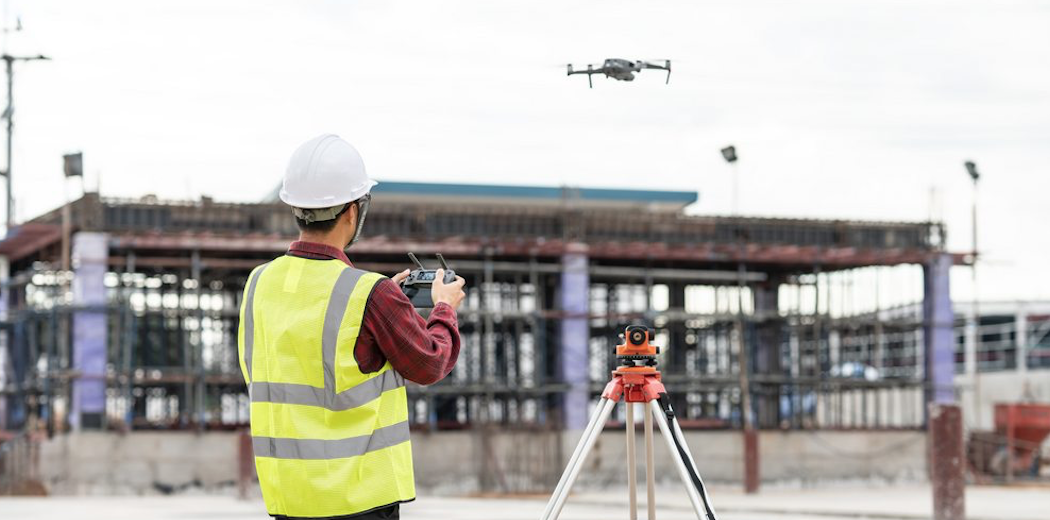
Surveying of buildings: In a situation such as roof inspections, drones have a significant advantage, Firstly they eliminate the need to place scaffolding and ladders, which can be costly and unsafe for people to traverse. Secondly it removes the need to access the roof in any way, reducing the risk of work-related injuries significantly thanks to their ability to show a live feed of what the camera is filming. Overall this application significantly reduces costs, safety risks and time required for the inspection to be carried out.
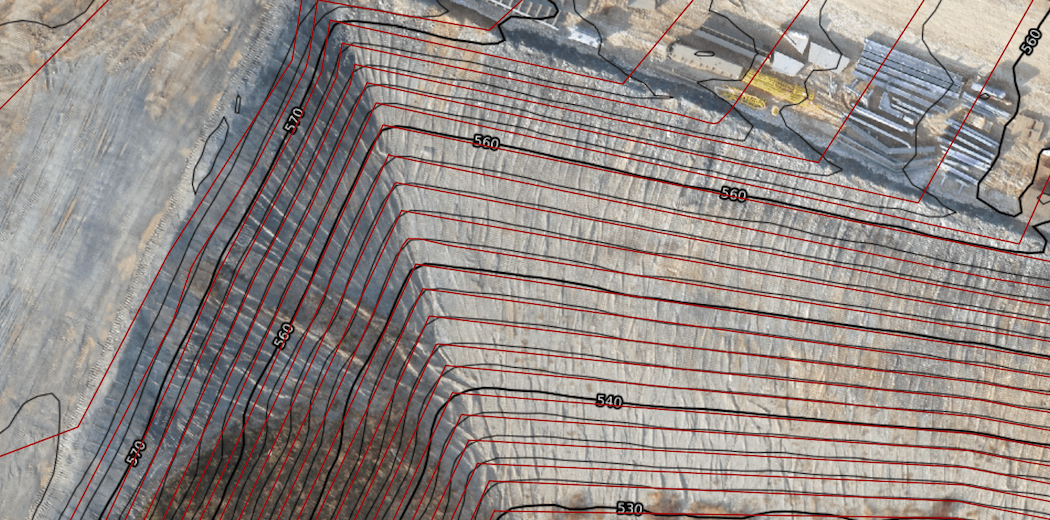
Mapping of different sites: site maps can be very difficult and labour intensive. Drones are able to easily reach heights and access areas required for the production of site maps without the need to hire helicopters or more expensive equipment. This means that smaller scale firms will now be able to produce these maps without any significant financial drawbacks. The filmed footage can be sent back to a pc in real time, which can then be used to produce the desired map.
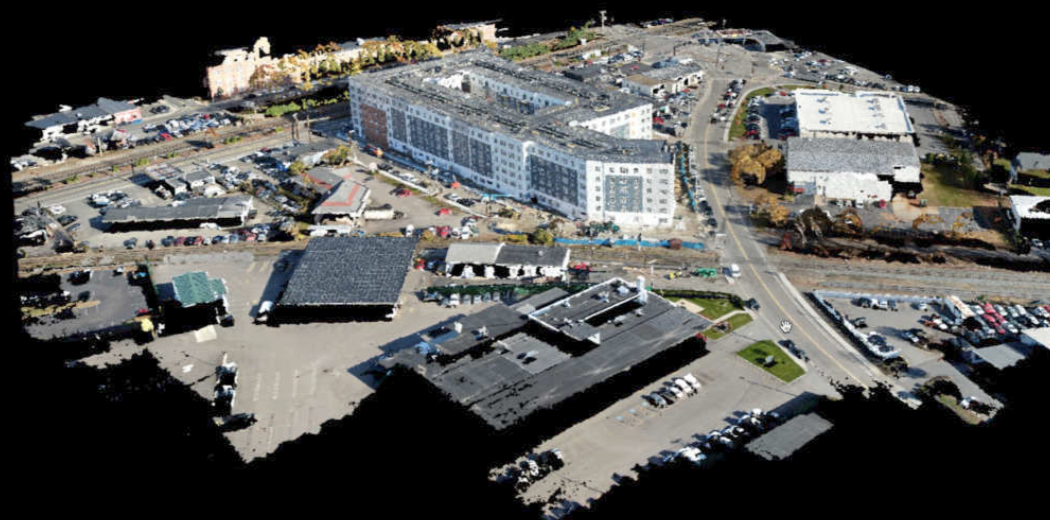
3D model of construction site: Drones have the capability of accurately determining the topography of the site, capture it and be able to transfer it to a 3D modelling software. This allows to more accurately and quickly model the site being constructed on, allowing for time to be more effitiently managed towards other tasks which may run into delays.
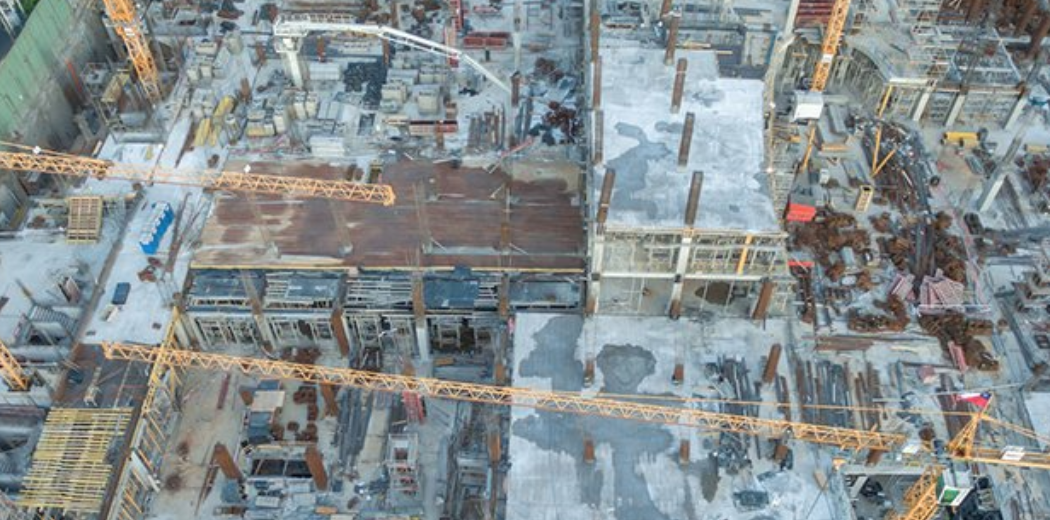
Progress Monitoring: Many of the latest drone systems allow for real-time monitoring of the site, which allows for increased security, evaluation, with appropriate response and plan for more efficient construction. Weekly progress maps can be made more easily and in a less costly manner than traditional methods, and finally drones allow for easier transfer of data and information thanks to the quality of the information which drones are able to supply.
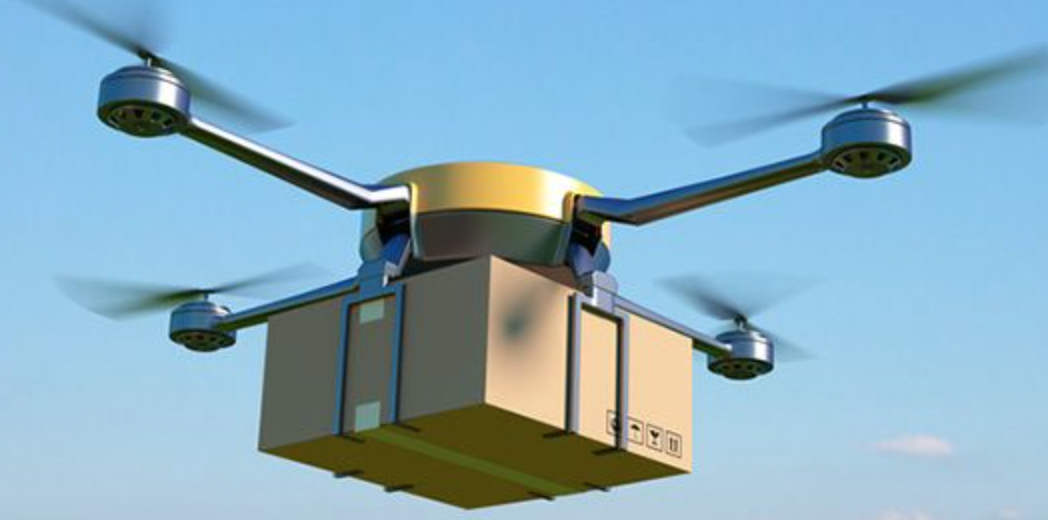
Transportation of Equipment: The primary cause of fatalities on construction sites are by being struck from moving vehicles. For this reason, the transportation of certain equipment may not only make the transportation of certain things faster, but also safer. Urgent notices material and equipment can be quickly delivered thanks to their small and highly maneuverable nature.
Introduction
Up until recently, the media industry and amateur/professional photographers have had to use expensive and time consuming equipment to capture certain shots such as aerial shots with the use of helicopters, costing upwards of $20000 and placing multiple personnel at risk. Not only are the personnel at risk, but the extremely expensive camera equipment that would be used as well. Drones can help with the mitigation of these issues. Drones have the possibility to assist and inspire both amateur and professional film makers to produce previously unthinkable shots.
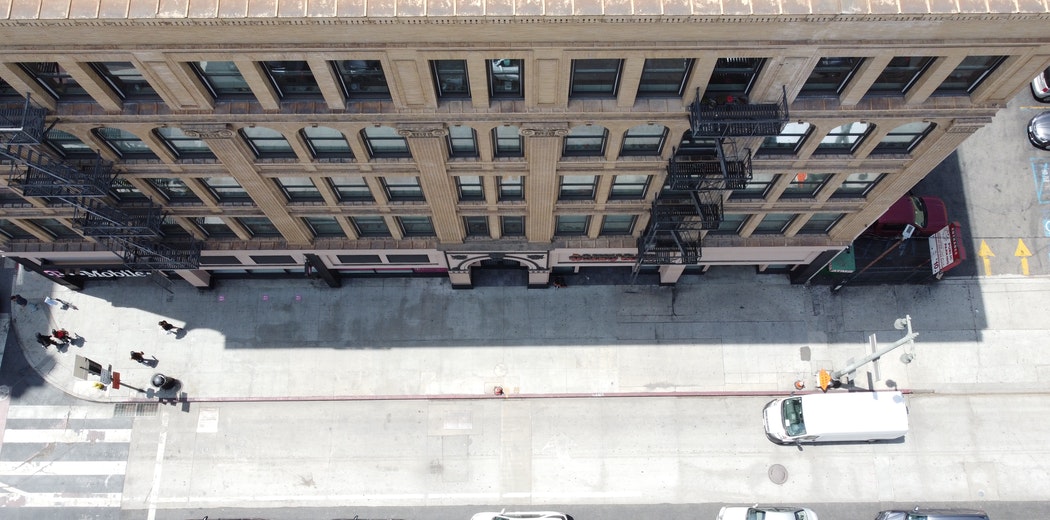
Drones can safely film from a variety of angles, varying from aerial shots, shots from hard-to-reach places within our outside buildings, or shots which require different manoeuvres which would be impossible to produce without the use of drones.
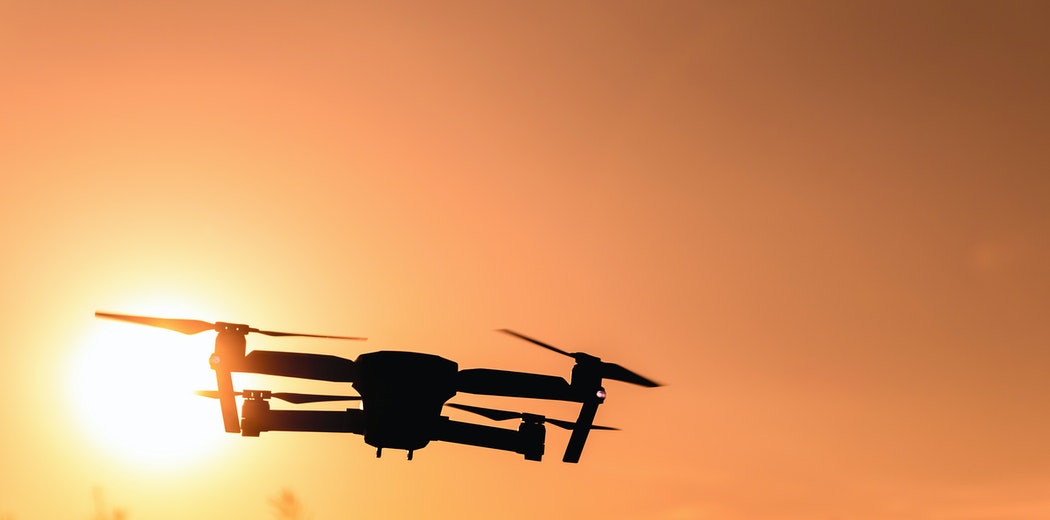
Drones have the possibility to save the cost of hiring a helicopter and large crew, saving upwards of $20000. The use of drones does not only reduce the cost of aerial shots, but it also ensures that if any issues arise to the equipment, they do not cause any major or fatal injuries to the crew, a benefit that is immeasurable.
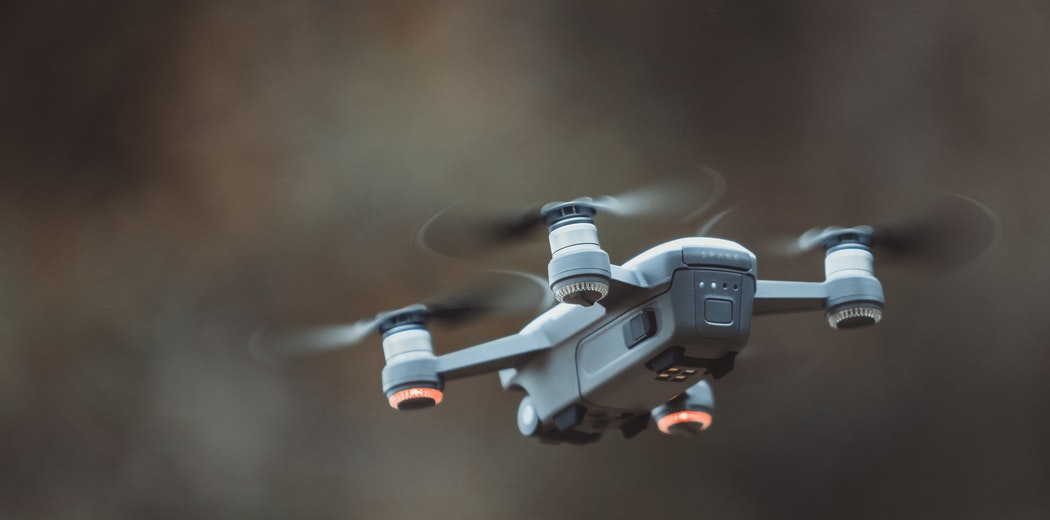
In comparison to conventional filming equipment, drones are more affordable as a solution and provide more benefits, making it a great investment for both professional and amateur film makers. This can help the industry revolutionise itself through the drastic increase in high quality film and photos that can be collected by a wider range of users.

Drones are lightweight and users can learn how to operate them very quickly, they can also very easily be incorporated in the logistics of a film’s production, allowing for more efficient scene planning and a reduction of camera needs thanks to the way drones can be utilised. This has the potential to reduce film production costs as well as improving the overall quality of the final product.
Introduction
Drone use in medical industry for healthcare purpose is a very convenient solution to many problems. Lack of access to immediate healthcare in rural regions and lack of timely blood supply deliveries in emergency situations are few of these problems. The utilisation of drones in these scenarios will be a much more efficient method in which we tackle these issues. Covid-19 has acted as a catalyst for drone use in the medical industry, this is a result of the social distancing and quarantine measures in place. It has made remotely operated systems more valuable.
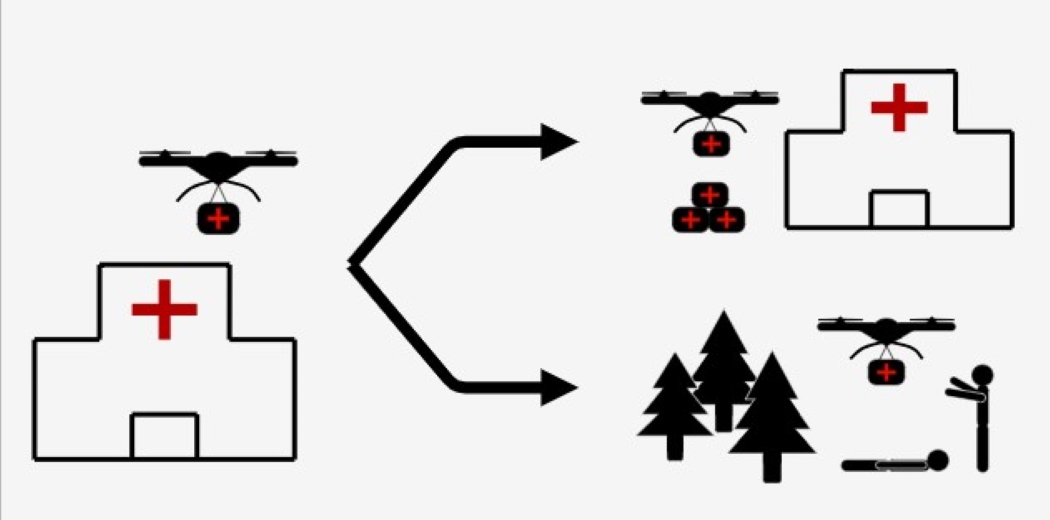
Drones have the potential to increase access to life-saving drugs and vaccines, as well as the speed with which they are given. In developing countries with inadequate access to health care, drones can drastically speed up vaccination distribution. Those who live in rural places or who would otherwise be unable to obtain the vaccine will be able to do so as the logistical hurdles of physically distributing vaccines to rural locations can be overcome via drones.
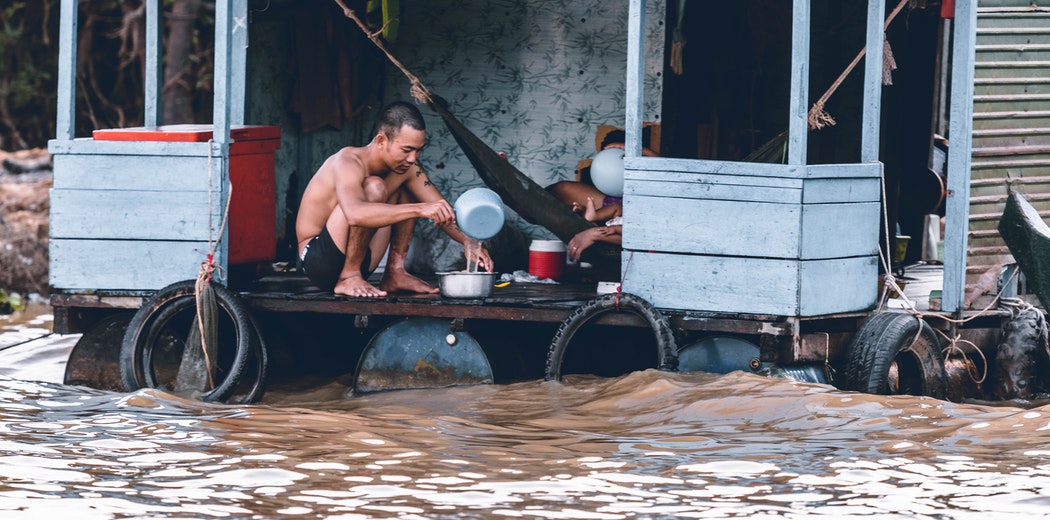
Medical treatment in the aftermath of a natural disaster is the most difficult to deal with. When communication is disrupted, a large population demands rapid medical assistance in order to survive. Drones for medical purposes will be particularly useful in delivering small aid packages to disaster victims.
Diagnostics is one of the most common applications for drones. Because some diagnostic procedures are time and temperature sensitive, a sample from a patient must be submitted to the lab and the test must be completed within a certain timeframe, which might be as little as 2 hours.
Organ transfer: The necessity for ultra-fast transportation, such as a private jet charter or a helicopter, is critical due to the short time window for moving organs from donor to patient, which can range from 4 to 36 hours depending on the organ type. Organ delivery can be made faster, safer, and more cost-effective with the use of drones.